
August 31, 2026

How Long Does Pool Resurfacing Last In Utah?
Worried your pool surface peels, cracks, or feels rough after a Utah summer? Most resurfacing types last from 5 to 15 years, depending on material and care. This post compares plaster, quartz, pebble, and ecoFINISH, shows how Utah weather affects lifespan, and offers simple maintenance tips to extend life.
How Long Does Pool Resurfacing Typically Last?
Pool resurfacing can last anywhere from five to fifteen years. The exact time depends on the type of finish and how well you care for it.
Here is a quick comparison of common pool finishes, and how long they last.
| Finish | Typical Lifespan | Pros | Cons |
| Plaster | 5 to 10 years | Classic smooth look | Shows stains fast, Chips with heavy wear |
| Quartz | 10+ years | Durable, resists stains | Higher material cost, Color options are limited |
| Pebble | 10+ years | Natural textured look | Rougher on feet, Higher install cost |
| ecoFINISH | 10+ years | Wide color range, UV stable, Low maintenance | Specialist application needed |
Why Utah’s Climate Can Affect Pool Surface Lifespan
Utah’s climate has hot summers and strong UV rays, which can speed up the wear and tear on pool surfaces. These factors can lead to cracks and rough spots, making it vital to choose the right material for longer-lasting results.
Intense UV exposure and hot summers
Intense sun and high heat speed up surface wear, and they shorten pool resurfacing lifespan in Utah. UV rays bleach finishes, fade colors, and weaken plaster and quartz blends, so owners see more cracks and rough surfaces over time.
Strong summers raise water temperature, which stresses materials and changes water chemistry, increasing maintenance needs. Regular pool maintenance, balanced water chemistry, and shade or covers help protect finishes and extend lifespan.
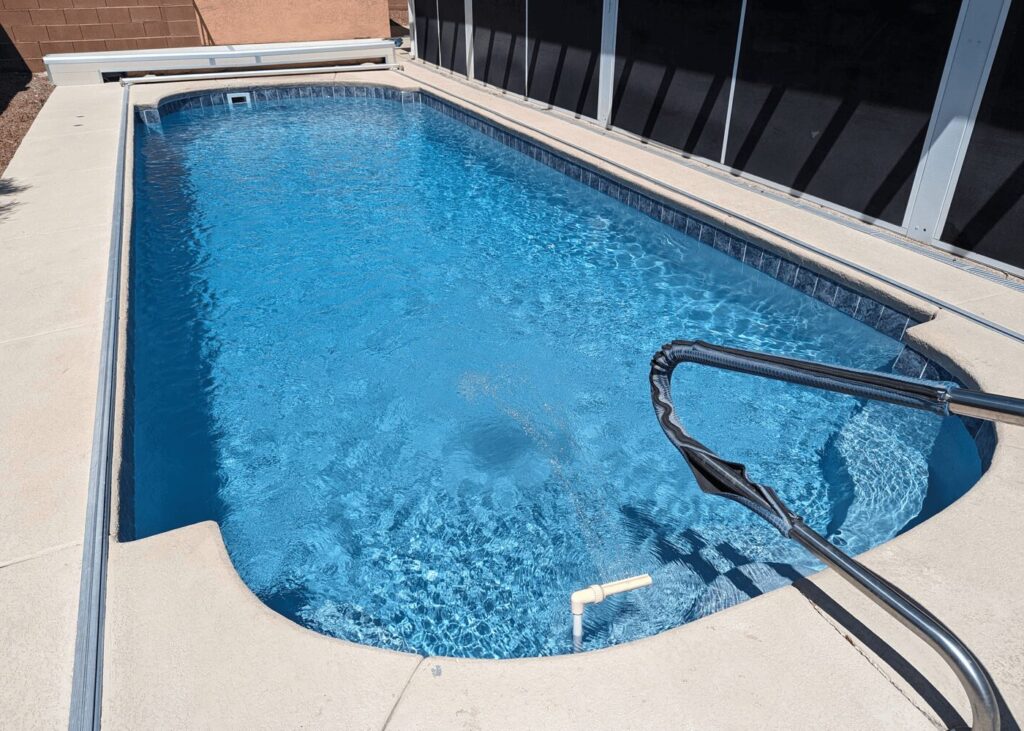
What Makes a Pool Resurfacing Last Longer
Good installation makes a big difference, installers must prep the shell, fix cracks, and apply the mix evenly. Poor work speeds up deterioration and raises future costs.
Keep water chemistry balanced, and you cut surface damage. High chlorine or low pH etches plaster, and hard water leaves scale on quartz and pebble. Shield the pool from Utah sun with covers, and reduce UV fading and heat stress on finishes.
Frequent cleaning, prompt crack repairs, and routine pool maintenance extend lifespan without huge expense.
Is ecoFINISH a Long-Lasting Pool Resurfacing Option
ecoFINISH is a great choice for pool resurfacing. This material can last comfortably past 10 years with proper care. It resists stains, cracks, and fading from UV rays. The smooth surface feels nice on the skin and makes cleaning easier too.
The cost may be higher at first, but it often saves money in repairs over time. ecoFINISH holds up well in Utah’s climate, where intense summer heat can damage weaker materials. Its long lifespan makes it a smart investment for any swimming pool owner looking for quality and ease of maintenance.
Conclusion
Pool resurfacing can last for many years in Utah, but the lifespan depends on the finish, installation, water chemistry, and how well the pool is maintained. Choosing a durable surface is especially important in Utah’s intense sun and hot, dry climate.
For homeowners looking for a long-lasting alternative to traditional pool finishes, ecoFINISH is an excellent option. And when it comes to ecoFINISH pool resurfacing, Polynesian Pools is the trusted ecoFINISH installer serving Southern Utah and Nevada.
Our team specializes in transforming worn, stained, or rough pool surfaces with durable ecoFINISH coatings designed to provide a smooth, attractive, and long-lasting finish. If your pool is showing its age, contact Polynesian Pools to find out if ecoFINISH is the right resurfacing solution for your pool.